Public Comment Sought for Coeur d’Alene Basin Cleanup Review
Last November, the Forum helped convene the Our Gem Symposium in Coeur d’Alene. With more than 200 people attending, county and city leaders joined with the Coeur d’Alene Tribe to…

Last November, the Forum helped convene the Our Gem Symposium in Coeur d’Alene. With more than 200 people attending, county and city leaders joined with the Coeur d’Alene Tribe to…
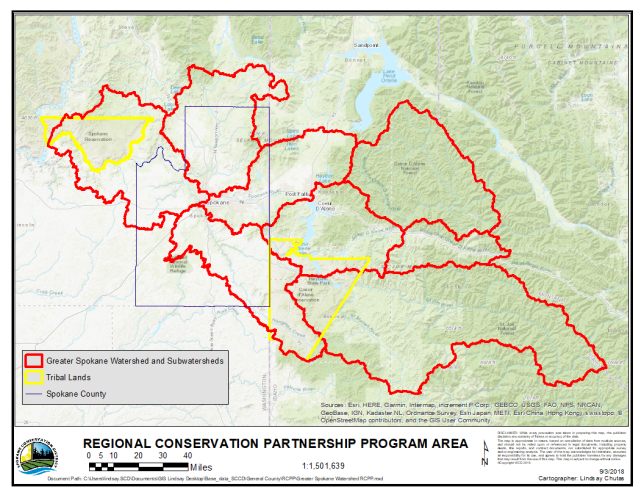
Thanks to investments in conservation tillage practices by farmers that began in 2017, 417, 481 tons of soil (the equivalent of about 30,000 fully loaded dump trucks) is no longer…
Over 190 people spent last Wednesday at the Our Gem Symposium listening, learning and dialoging about Coeur d’Alene Lake water quality protection needs resulting from upstream historic mine waste contamination….
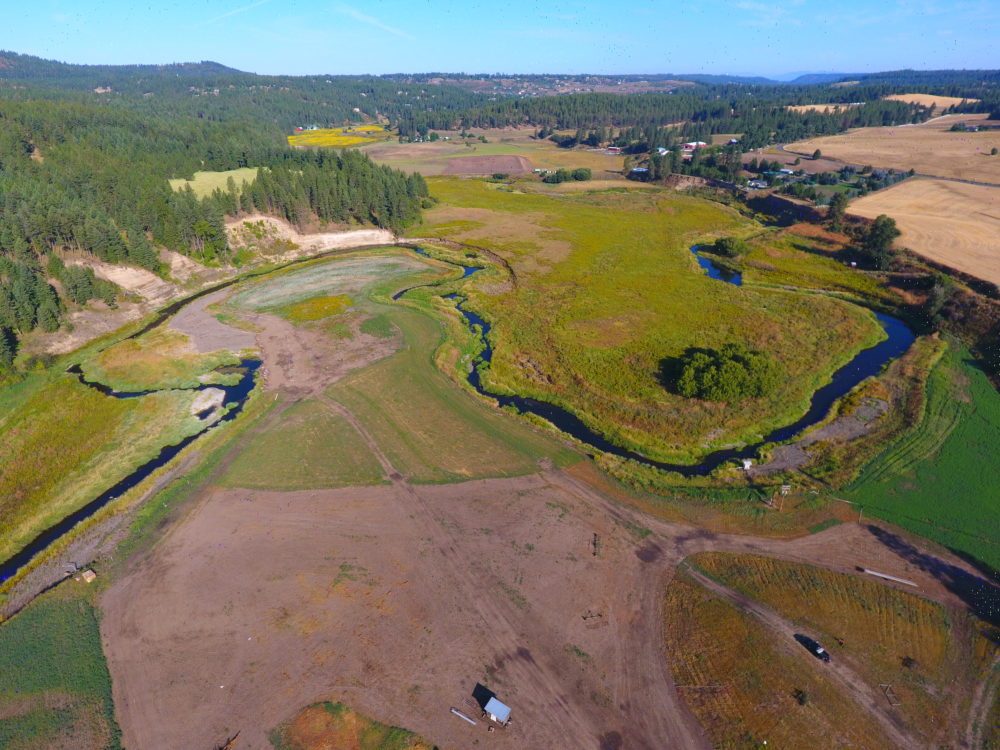
As we stand by Hangman Creek in the still summer air, the heat is high and the water barely moving. The stream’s vertical banks offer an innocuous natural charm, adding…

Our unquenchable thirst for best available science is finding a friend in a national movement to use citizen science to crowdsource data. Said Alan Kolok, Director of Idaho Water Resources…

Real estate development and stormwater management are increasingly two sides of the same coin. Katharine Burgess with the University of Idaho’s Urban Land Institute will be giving highlights from their…

Just in time for the holiday weekend, a story of collaboration and what makes the Spokane area unique. The story begins with redband trout, a native species with home turf…
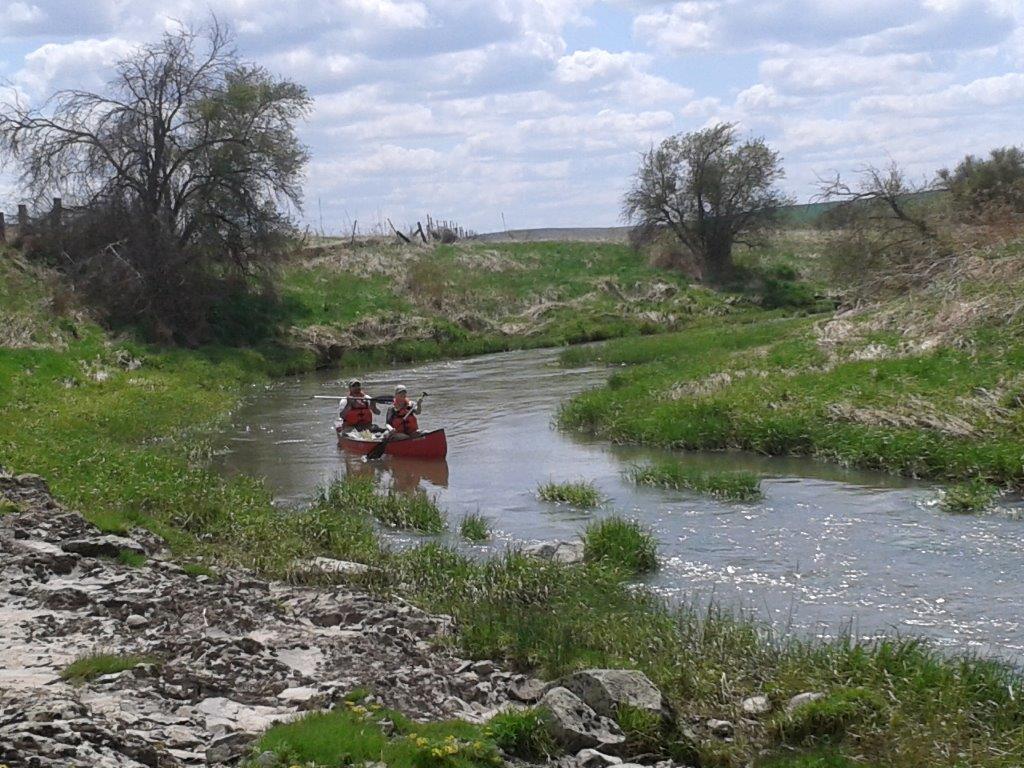
From Washington Department of Ecology Scientists from the Washington Department of Ecology are planning several studies to better understand potential sources of pollution to the Spokane River’s largest tributary, Hangman…
Ecology will hold an open house beginning at 6:00 pm on June 30 to share information and answer questions about draft discharge permits for Kaiser Aluminum, City of Spokane, and…
Since the middle of July blue green algae (cyanobacteria) blooms have been identified at various locations in the upper half of Lake Spokane. The blooms vary from day to day depending on wind and weather but are becoming denser. Galen Buterbaugh, Technical Advisor to the Lake Spokane Association, reports the blooms are worse in the morning when the wind is still. Samples collected on Monday, July 27th at Suncrest Park, indicated that the bloom did contain toxins. Warning signs have been posted at the Suncrest Park swimming beach.